
 781.782.2100
When to Move from Assisted Living to Memory Care: Signs It’s Time for More Support
Date: June 05, 2026 | Article | Reading Time: 7 minutes
Making the decision about when to move from assisted living to memory care is rarely simple. For many families, it comes with questions, uncertainty, and a deep desire to do what’s best for a loved one. You may notice small changes at first, or feel unsure whether what you’re seeing is part of normal aging or something more.
At The Delaney® at The Vale, families are never expected to navigate this journey alone. With a compassionate approach to memory care, experienced team members, and a supportive environment designed for dignity and safety, the community helps guide families through each step with reassurance and understanding. The focus is always on honoring the individual while providing the right level of care at the right time.
Understanding the key differences between memory care vs. assisted living, recognizing important signs it’s time for memory care, and knowing what comes next can help families feel more confident and supported in making the transition.
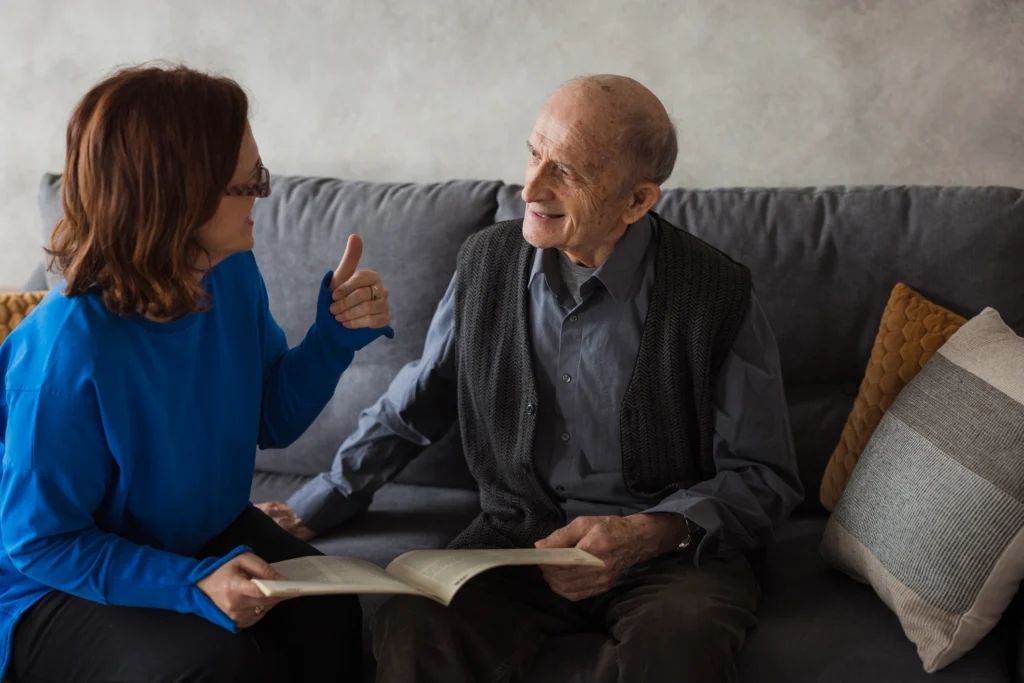
Understanding the Difference: Memory Care vs. Assisted Living
Understanding the distinction between memory care vs. assisted living is often the first step in making an informed decision.
Assisted living is designed for older adults who value independence but may need support with activities of daily living (ADLs) such as bathing, dressing, or medication reminders. It offers a balance of support, social engagement, and convenience within a senior living community.
Memory care, however, is specifically designed for individuals experiencing cognitive decline, including conditions such as Alzheimer’s disease, Lewy body dementia, and Parkinson’s disease-related dementia. It provides a higher level of structure and supervision, including:
- A secure environment designed to reduce risk and support safety
- Structured daily routines that promote comfort and consistency
- Highly trained staff with expertise in dementia care and cognitive impairments
- Individualized memory care plans tailored to each resident’s needs and history
Some communities also offer transitional memory care, which helps ease the move from assisted living to memory care by providing continuity and reducing stress during the transition.
Signs It’s Time to Consider Memory Care
1. Cognitive Changes and Memory Loss
- Repeatedly forgetting recent conversations or events
- Confusion about time, place, or familiar routines
- Difficulty recognizing names, people, or surroundings
As cognitive decline progresses through different stages of dementia, these challenges often require more structured care and supervision.
2. Challenges with Activities of Daily Living
- Difficulty bathing, dressing, or maintaining personal hygiene
- Missed meals or changes in eating habits
- Trouble managing medications independently
Memory care provides hands-on assistance with activities of daily living, helping residents maintain dignity while receiving the support they need.
3. Behavioral or Mood Changes
- Increased anxiety, agitation, or withdrawal from social interaction
- Noticeable shifts in mood or personality
- Sundowning, or increased confusion and restlessness later in the day
These changes are often linked to cognitive decline and may require a more structured, supportive environment.
4. Safety Concerns
- Wandering or attempts to leave safe areas
- Frequent falls or unexplained injuries
- Difficulty responding to emergencies or instructions
A safe environment in memory care helps reduce these risks while maintaining dignity and independence wherever possible.
5. Health Conditions and Cognitive Disorders
- Alzheimer’s disease
- Lewy body dementia
- Parkinson’s disease with cognitive changes
As symptoms progress, a structured memory care plan becomes essential to support both safety and quality of life.
How Memory Care Supports Residents
Memory care is designed not only to provide safety, but also to help residents live with meaning, structure, and connection.
At The Delaney at The Vale, care is built around the individual and further enriched through the Heartfelt Connections – A Memory Care Program®. This personalized approach helps staff understand each resident’s life story, preferences, and routines so care can be tailored in a more meaningful way. Residents benefit from:
- Personalized care plans that reflect personal history, preferences, and routines
- Structured daily schedules that reduce confusion and support comfort
- Engaging activities designed to support cognitive function and emotional well-being
- Highly trained staff who understand dementia care and respond to situations with empathy and patience
- A secure, supportive environment that promotes both safety and dignity
Meet Ann Cardenas: A Director Who Leads with Compassion
At The Delaney at The Vale, memory care is guided by experienced leadership that brings both clinical expertise and deep compassion.
Ann Cardenas, Director of Memory Care, has nearly a decade of experience in memory care along with a strong nursing background. Her philosophy is simple but powerful: focus on the person, not the diagnosis.
“Dignity always comes first. We meet residents where they are and build care around who they are—their histories, their preferences, and what brings them joy.”
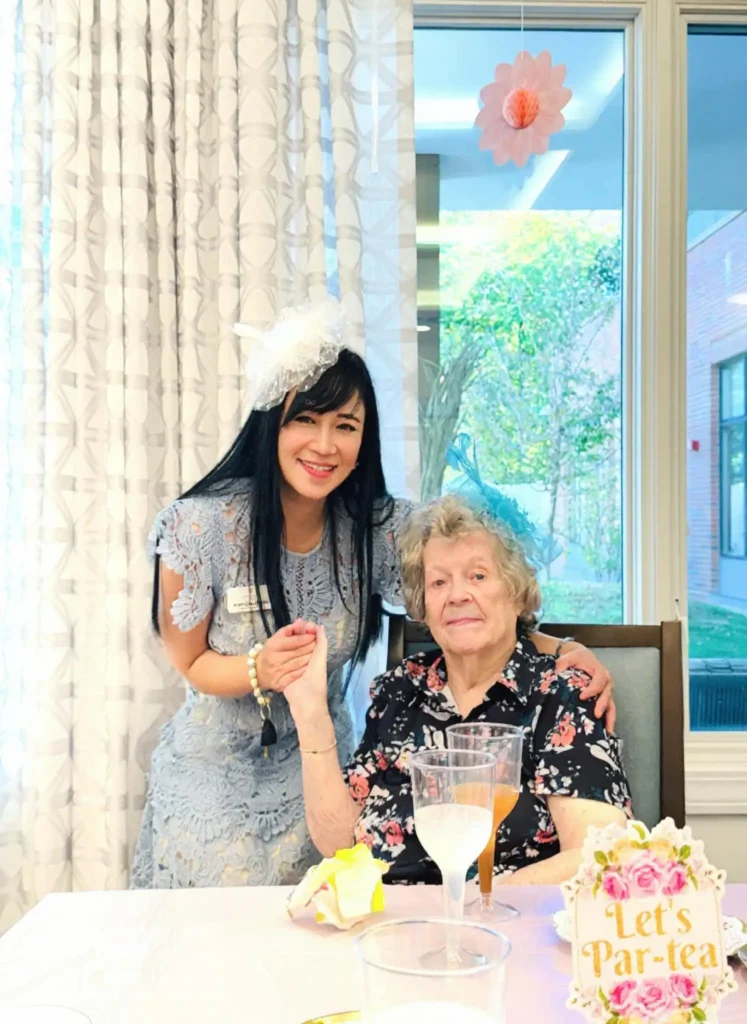
Ann understands how emotional the transition from assisted living to memory care can be for families. From the very first conversation, she offers warmth, clarity, and reassurance—helping families feel supported rather than overwhelmed. Her approach includes:
- Creating purposeful routines that provide structure and familiarity
- Encouraging meaningful daily moments, from shared conversations to favorite music or social gatherings
- Training and supporting staff to respond to behaviors as “expressions,” reinforcing empathy and understanding in care
- Building strong relationships with family members through open communication and ongoing involvement
Ann also prioritizes her team’s well-being, fostering an environment where caregivers feel confident, supported, and prepared to provide exceptional care.
One of Ann’s most meaningful experiences involved a resident who had become increasingly isolated, avoiding group settings due to a deep fear of large crowds. Through patience, consistency, and a focus on building trust, Ann and her team created gentle, personalized routines that helped her feel safe again.
“When she stood up, grabbed her walker, and said, ‘I’m ready,’ that meant everything,” Ann says. “That’s why we do this.”
For Ann, those moments define the heart of memory care. “Connection is everything,” she says.
Making the Transition: Tips for Families
- Look at patterns, not isolated incidents, when evaluating changes
- Prioritize safety, comfort, and quality of life in decision-making
- Ask about staff training, daily structure, and individualized care approaches
- Explore transitional memory care options to help ease adjustment
- Stay involved in your loved one’s care plan and maintain open communication with the care team
Most importantly, remember that this transition is about providing the right level of support—not taking independence away, but preserving dignity in a new way.

Find Compassionate Support at The Delaney at The Vale
Understanding when it’s time to move from assisted living to memory care often comes down to recognizing changes in memory, behavior, health, and safety—and responding with compassion rather than urgency or fear.
With the right support, residents can continue to experience connection, comfort, and meaning, even as their needs change.
At The Delaney at The Vale, families find more than care—they find partnership, understanding, and a team committed to helping every resident live with dignity.
When it’s time for more specialized support, The Delaney at The Vale makes the transition from assisted living to memory care seamless and compassionate. Contact us today to schedule a tour and see firsthand how our personalized care plans, secure environment, and expert staff help residents thrive every day.